
Guides
Woodworking for Furniture [Complete Guide]


Furniture pieces for homes and commercial spaces, such as malls or terraces, are made from numerous materials: metal, plastic, rattan, MDF, plywood or wood.
Wooden objects are an option that can be considered traditional but also modern at the same time. If you are passionate about carpentry and want to know the stages of woodworking or you already have a workshop and need new information, consult the following guide!
Types of wood for furniture pieces
Log peeling, sectioning and cutting
Calibrating and sanding boards
Hollowing and drilling pieces of wood
Caring for wooden furniture pieces
Interior design styles and wooden furniture designs
Types of wood for furniture pieces

Hardwood is an excellent material for creating furniture. If you're just starting out, choose a soft, lightweight wood to work with, then work your way up to harder woods.
Softwood species
- Fir. Fir is a great wood for beginners, as it is malleable and easy to work with. However, fir furniture is very popular, especially for rustic interior design, due to its texture.
- Cedar. Cedar has a reddish color and is often used for bedroom furniture, especially for making cabinets.
- Lime. Lime has a pale yellow hue. It is a stable and soft wood, suitable for making furniture and carving.
- Chestnut. Chestnut wood, although strong, is more malleable than other species. It is suitable for smaller pieces.
- Other species: poplar, willow.
Hardwood species
- Beech. Beech is considered one of the longest-lived wood species. Although it is a hard species, it is quite flexible.
- Mahón. Mahogany gives furniture a special sheen. It is a difficult wood to obtain, which is why its price is high.
- Oak. Oak is a common wood, due to the quality it offers. It is used, especially for traditional furniture pieces but also for luxury ones. Its price differs depending on the method and drying time.
- Cherry. Cherry has a distinctive dark red color. It is a type of wood that exudes elegance and gives your home a noble and welcoming air.
- Other species: maple, ash, walnut, birch.
Very hard wood species
- Acacia. Acacia wood has a decorative texture, but is heavy and resistant to mechanical shock.
- Ebony. With very dark shades of black, black-brown and gray-black, ebony wood is used for luxury furniture as well as for sculpture, musical instruments and even in construction projects.
- Other species: pistachio, yew.
Solid wood processing stages

Woodworking requires care and skill so that the final results are of high quality and delight your customers. Processing is carried out by following the main work stages and by using smart, automated machines suited to producing furniture components and other wooden elements.
Log peeling, sectioning and cutting
The first step in woodworking is to handle the log. For example, if you want to build a 2-meter-high cabinet, the log should be cut to a larger size, because material is lost during the work. There is also the possibility of purchasing wood already cut, but you will not always be able to find the desired measurements.
The process of peeling, sectioning and cutting the log is carried out using a saw with modern functions to facilitate the mechanical work activity. Following sectioning, the log is brought to the predefined length.
Wood planing
Planing the wood is the next step. This will prepare the wood's facets so that they are parallel.
This operation is performed with the planer, which also rough-planes the board pieces so that they are flat and of constant thickness. Depending on the size and hardness of the wood, this stage may be repeated until the desired result is achieved.
Regardless of the size of the workshop, a modern planing machine is essential for the furniture woodworking process.
Calibrating and sanding boards
The calibrating and sanding of boards is carried out with the sanding and calibrating machine. This is essential equipment for any joinery workshop, because it helps carry out the important steps in processing rough timber.
The latest generation of calibrating and grinding machines have features that facilitate automated work. Depending on the size of the workshop, there are products with different feed speeds, belts, lengths, and engine power.
Part profiling
Wood profiling is the stage where the plank begins to take shape for the desired piece of furniture. Profiling contours the pieces of planks at the corners, ends, and base to give them a pleasing, smooth aesthetic appearance.
Thanks to milling and profiling machines, the wood will have a pleasing appearance and strong durability over long periods of time, provided it receives proper maintenance.
Hollowing and drilling pieces of wood
Mortising and drilling are two stages that prepare the pieces of wood for assembly into furniture components. Cutters, together with mortising and drilling machines, will create elegant ornamental grooves and channels in the wood, as well as various joints for accessories such as handles, locks or hinges.
Assembling wooden parts

The assembly of wooden pieces for the manufacture of furniture pieces is done by gluing or by fixing the various elements. For a durable joint of wooden parts, the following methods are recommended:
- Dowel joint. Doweling is one of the most commonly used fastening methods. It is done quickly and easily by inserting dowels into previously drilled holes in the wood and fixing them with special adhesive.
- Mortise and tenon joint. This joint is widely used in furniture making projects. It can be done by hand or with the help of automated wood routers.
- The joint in the teeth. It is very durable because the mating surfaces between two pieces of wood will be glued together entirely.
- Joining with wooden halves. Another model for joining material for furniture manufacturing consists of halving the gripping ends of the boards using a circular saw and attaching them with glue.
Wood finishing for furniture

The finishing step of the wood pieces depends on the type of wood, the way it is joined, and the final product. There are several steps a board can go through to reach the desired result. The finishing operation can mean:
- Discoloration or staining of wood. Bleaching gives the boards lighter shades by using special agents, such as peroxide. Staining gives the wood the desired shades.
- Grouting. Wooden pieces, and by extension furniture, don't always come out flawless. However, you can correct defects by applying bitumen to the uneven surface of the product.
- Sanding. If there are still rough areas on the piece of wood, they will be sanded.
- Varnishing. Wood needs a protective film to be resistant to shocks and different temperatures. After varnishing, the surfaces will need to dry.
- Melamine finish. The melamine foil or plate gives the wood extra resistance against scratches, being easy to wash and clean.
Caring for wooden furniture pieces
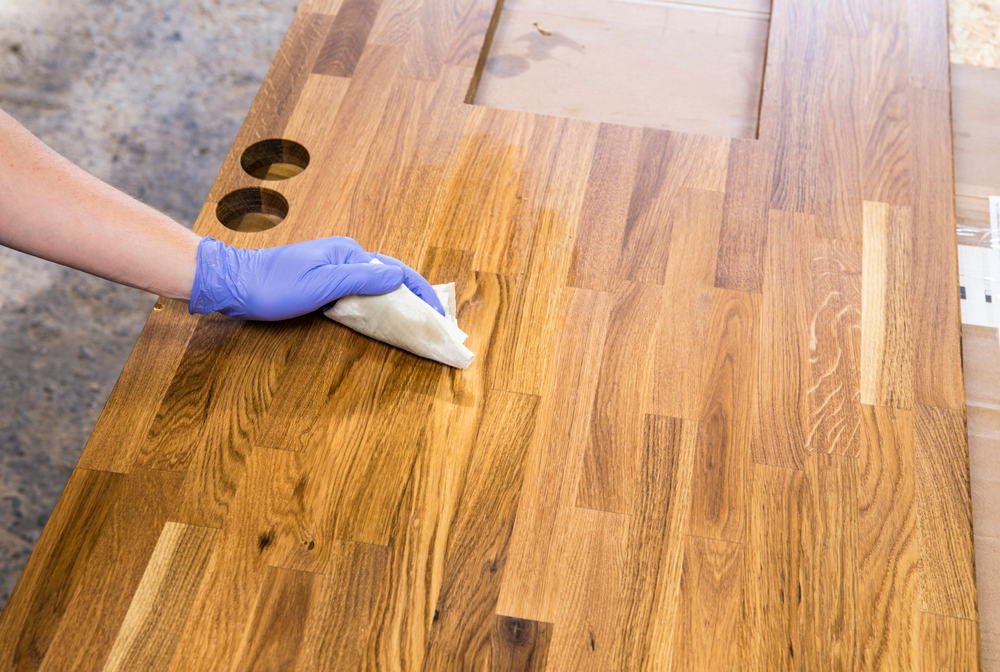
Solid wood furniture needs regular maintenance, but this is not difficult to do. Since pieces made from coarse wood can be manufactured to the smallest and most delicate details, the grooves can quickly collect dust particles. They should be cleaned occasionally.
If wooden furniture has been varnished with quality substances, its integrity will not be compromised. To ensure that your furniture will have a long life, consider:
- Temperature. The optimal temperature range for wooden furniture is between 15 and 25 degrees Celsius. Also, try to protect it from direct and prolonged exposure to sunlight, as it can fade.
- Dust. As previously mentioned, dust should be removed occasionally using a cotton cloth, either just moistened in water or with a special solution.
- Dishes. Dishes and glasses that are too hot or too cold can damage the surface of your furniture over time. Use tablecloths, placemats, or coasters to protect the wood.
- The decor. If you want to place decorative elements on natural wood furniture, move them periodically so that the surface does not leave marks. Also, when you want to move objects, do not do it by dragging, so as not to scratch the material.
- The stains. If liquids are spilled or various traces of ink or other substance are printed, the surface must be cleaned immediately.
- Moving. Moving furniture is recommended to be done by at least two people, as wood is much heavier than plywood or MDF. The furniture should not have any objects inside: clothes, supplies, dishes.
Interior design styles and wooden furniture designs
Wooden furniture pieces are suitable for different interior design styles, and the furniture made in your workshop will bear the imprint of your creativity and personality. Mix styles for a new look or choose a predefined interior design:
- rustic style;
- modern style;
- industrial style;
- Scandinavian style;
- traditional style;
- minimalist style;
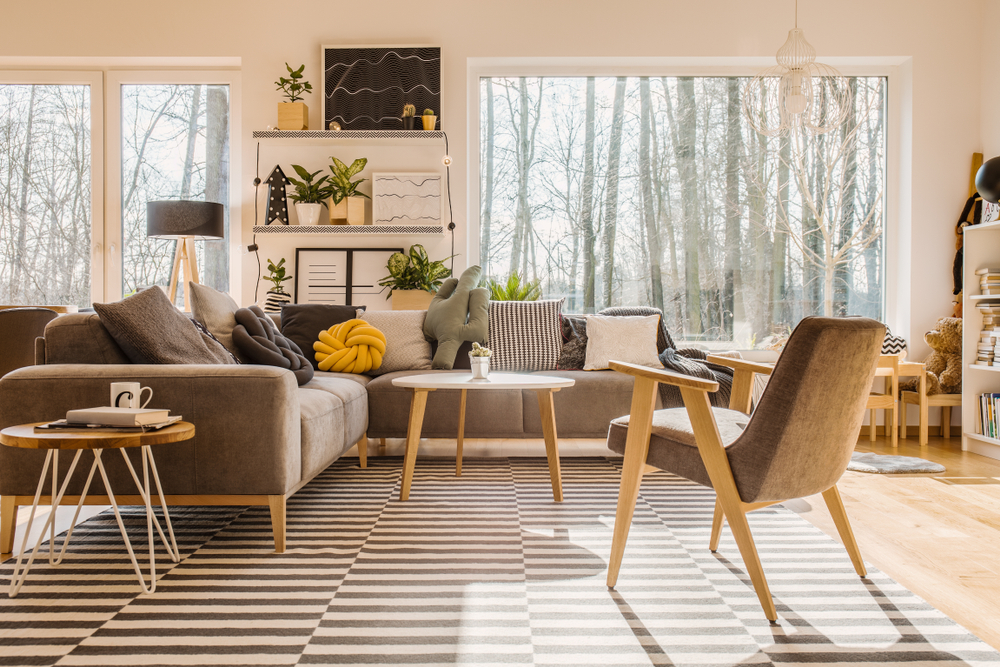


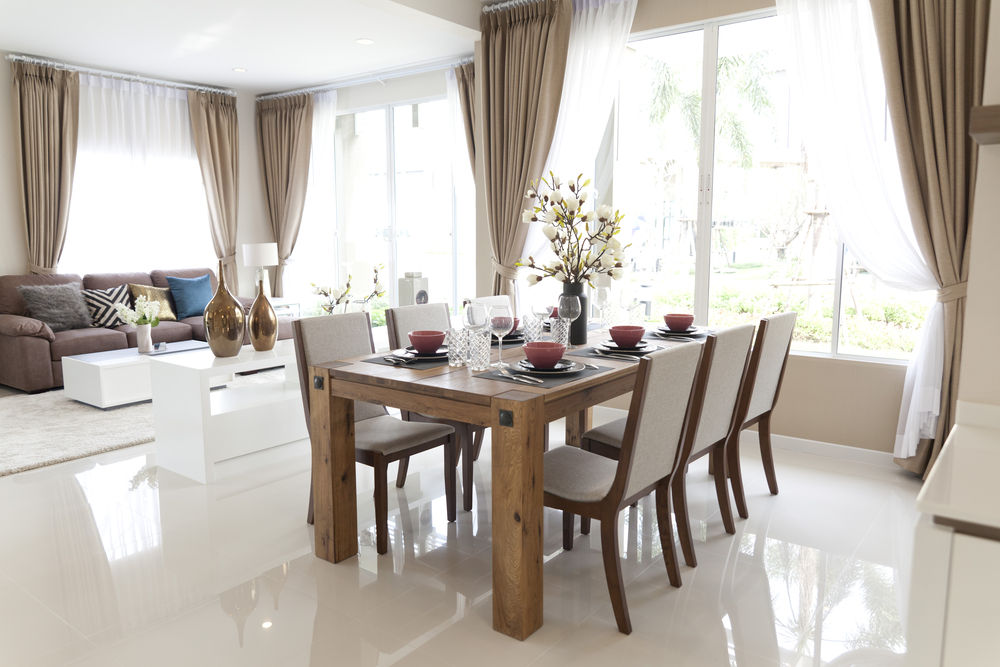

Solid wood furniture pieces give your home a unique look and a welcoming atmosphere. At the same time, wooden furniture is versatile, matching many interior design styles.
If you wish to start a woodworking business for furniture, make sure that you know how to use the equipment properly and that you will follow the necessary steps. If you need help, refer back to the information in this guide or contact an experienced team in the field.


